

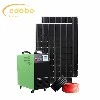
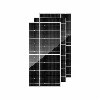

Edobo is a leading company in the field of solar energy products. We offer a wide range of products that are designed to meet the demands of the modern world and help our customers take advantage of renewable energy sources. Our product line includes solar panels, power systems, inverters, batteries, and other solar energy-related products.
Professional team
our team, comprising proficient engineers and professionals, is dedicated to providing comprehensive technical support, tailored solutions, and expertise to ensure the seamless integration of our solar products.
Strict Quality Control
Our state-of-the-art manufacturing facility, coupled with seasoned industry experience, ensures that every product is meticulously crafted to meet or exceed industry benchmarks.

20 Years
Experience
7K
Positive Review
9K
Order recieved
3GW
Completed projects
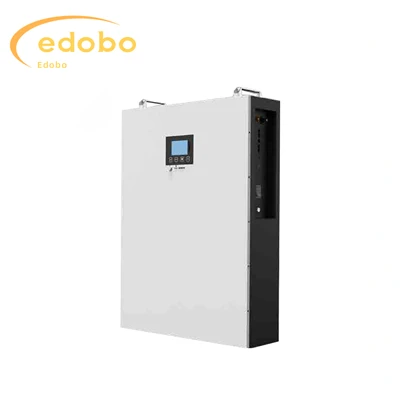
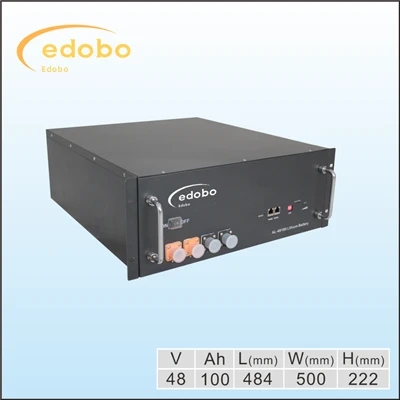
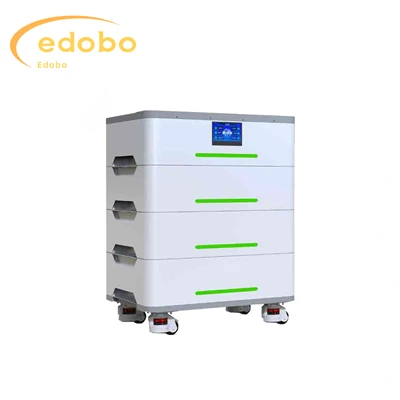
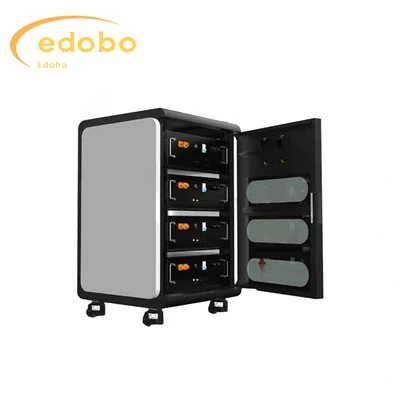
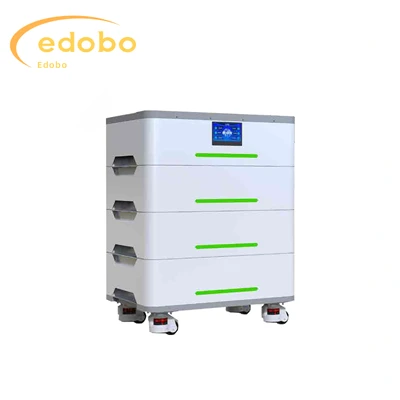
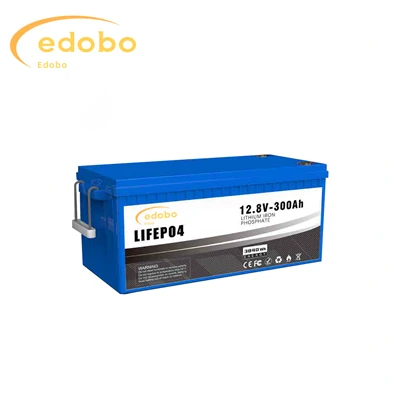
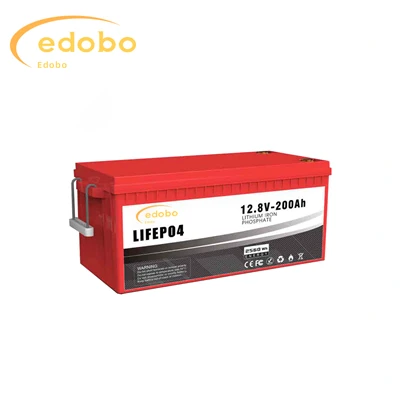
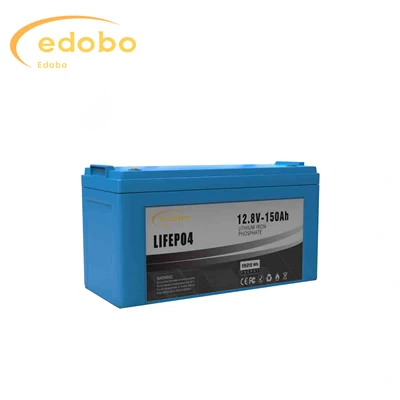
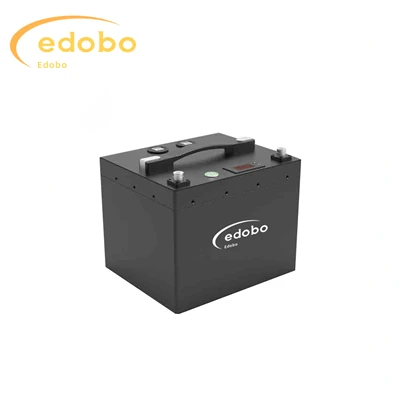
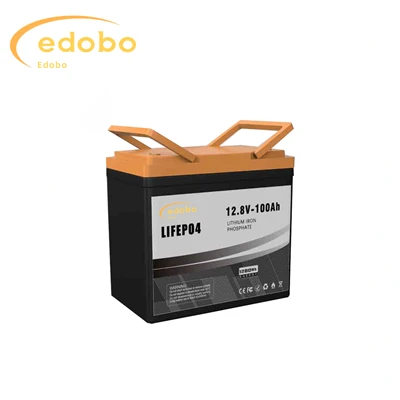
Your Professional Battery Supplier
Edobo is a professional company dedicated to manufacturing state-of-the-art photovoltaic (PV) panel production line equipment.
Our diverse product range, including solar panels, solar power generation systems, inverters, and batteries, is highly sought-after for its quality, efficiency, and reliability.
Why Choose us
Production Experience
With over 20 years of expertise in manufacturing high-quality solar modules, we have established a strong reputation for reliability and innovation in the industry.
Quality Control
Equipped with state-of-the-art production lines and cutting-edge technology, our factory ensures the production of highly reliable and efficient solar panels. Every stage of the production process is rigorously monitored to maintain the highest standards of quality control.
Customized Service
Our sales team possesses in-depth knowledge of the global market and excels in designing customized solutions tailored to meet the specific requirements of each customer.
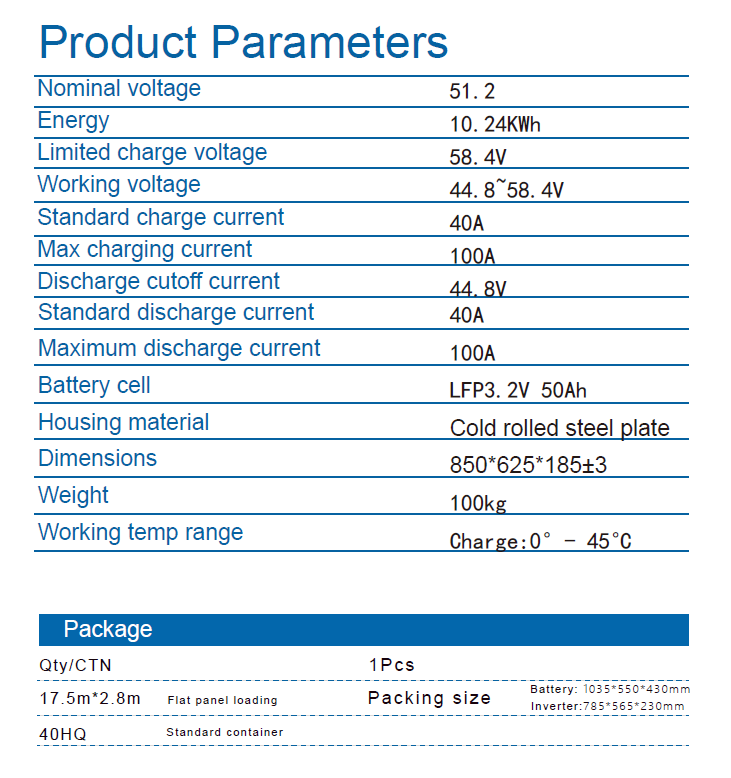
Parameter
Benefits of Battery
Low weight
Lithium batteries have higher energy density than lead-acid batteries, enabling them to hold more storage capacity in a smaller space. If you want to use lead-acid batteries to power the same system, you must install 8 lead-acid batteries. However, lithium batteries weigh only half as much as lead-acid batteries, making them easier to install in a more compact space.
Long cycle life
Has high specific energy and long cycle life under low voltage. At 4.20V/battery, they can provide 300-500 cycles. But if they are overcharged, they will lose capacity and life. This can happen if the battery voltage is too high or exposed to high temperatures. The best way to maximize the battery cycle life is to periodically charge it to 4.20V/maximum battery charging voltage.
No active maintenance
The wall mounted lithium battery has many advantages. Unlike lead-acid or nickel based batteries, they do not require active maintenance and do not release harmful gases. They are also safe to use in enclosed areas because they do not release hydrogen or oxygen. In addition, they do not require regular ventilation or cooling, which means they can be safely stored anywhere.
Low energy loss
The low energy loss of wall mounted lithium battery is achieved by increasing the battery temperature. The increase of temperature reduces the amount of lithium ions diffused into the lithium oxide lattice, which will lead to lower capacity loss. The study shows that the capacity loss of the electrode at 45 ℃ can be reduced by 8.4 mAh/g, and the coulomb efficiency is 96.4%.
Lithium batteries experience energy loss during charging and discharging. The smaller these losses, the higher the efficiency of the battery. The average loss is between 10% and 3%.
Durability
The life of lithium battery depends on its use mode and charging and discharging frequency. Under normal operating environment, lithium battery will have 60% capacity in 10 years. However, overcharging lithium batteries can lead to thermal runaway and capacity loss. Similarly, extreme cold can cause the internal electrolyte to lose fluidity, resulting in reduced power output and low charging efficiency.
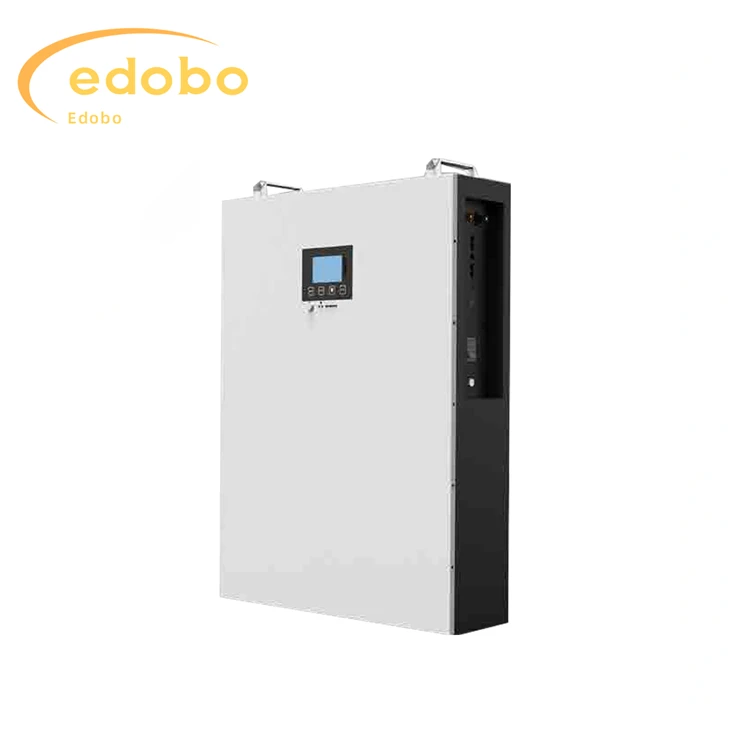
Residential Settings
Wall-mounted lithium batteries also have a number of applications. One of the most common uses is in residential settings, where they can be used to store electricity generated by solar panels. This allows homeowners to use the stored electricity during times when the sun is not shining, such as at night or on cloudy days.
Commercial Settings
Another application of wall-mounted lithium batteries is in commercial settings, such as office buildings or retail stores. These batteries can be used to store electricity generated by on-site solar panels or wind turbines, and can help to reduce the amount of electricity that needs to be purchased from the grid.
Off-grid Settings
Wall-mounted lithium batteries can also be used in off-grid settings, such as remote cabins or RVs, to provide a reliable source of electricity when traditional power sources are not available. They can also be used in grid-tied applications, where they can be used to store excess electricity generated by solar panels or other renewable energy sources, and then feed that electricity back into the grid during times of high demand.
Safety precautions for Battery
Only use the specific charger supplied with your battery.
Strictly observe the charging conditions: After intensive use, as the battery temperature rises, do not recharge your battery immediately and for the same reason do not use your device immediately after recharging.
Strictly observe the discharge conditions: Avoid large discharges (until the device is switched off).
Check the charge of stored batteries, little or not used: For long storage periods (several weeks to a few months), it is preferable not to fully charge the battery but to leave it half charged and to do partial recharges every month to reactivate the electrolyte and the electrodes and compensate for self-discharge equivalent to 5 to 10% per month.
As a precaution, replace your batteries every 5 years: Even if their charge capacity still seems sufficient. The components inside the batteries deteriorate over time, even for batteries used infrequently.
Prevent batteriers from overheating: Store the batteries in a dark container and away from light, sunlight or any heat source. The recommended storage temperature is between 16 and 22°C. A ventilated place prevents any buildup of dangerous and flammable toxic gases.
Delivery Information
Shipping Methods
We offer a variety of shipping options, including sea freight, railway transportation, and international express delivery, to meet the diverse needs of our customers.
Estimated Delivery Time
We will provide you with the estimated delivery time for your order, which will be clearly stated in the formal order to ensure your rights are protected, allowing you to arrange for the receipt of your goods in a timely manner.
Order Tracking
We provide order tracking services, allowing you to stay informed about the current status and expected arrival time of your order. Detailed inspection information and shipping manifests, including photos and videos, are provided to ensure the security of your transactions.
Certificate
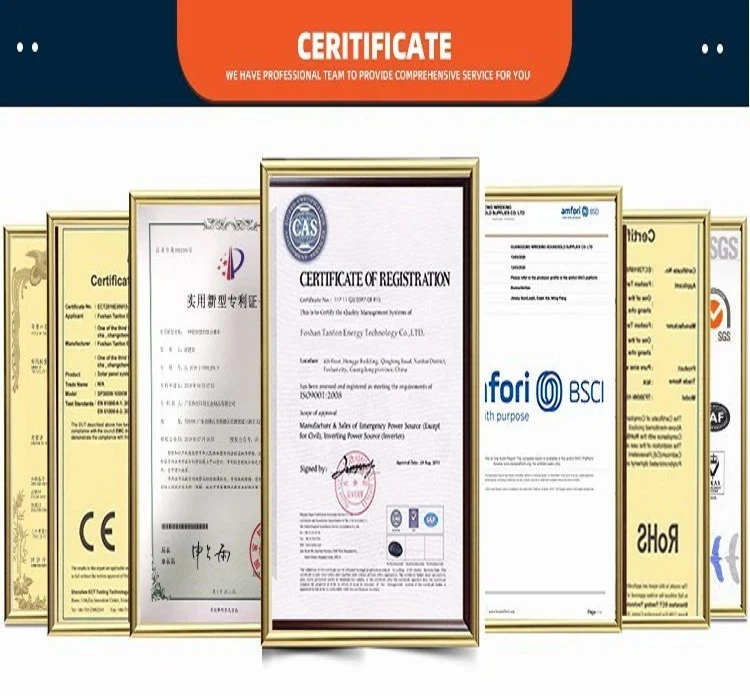
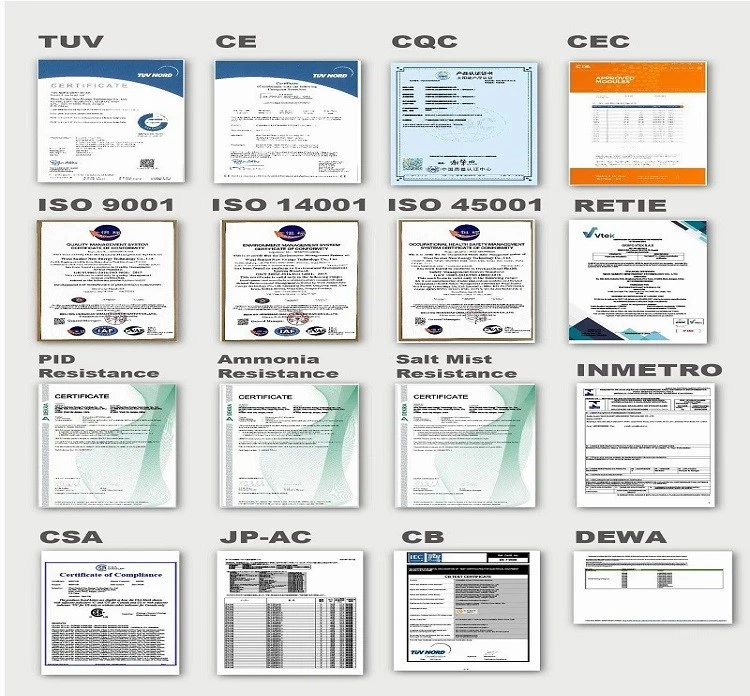
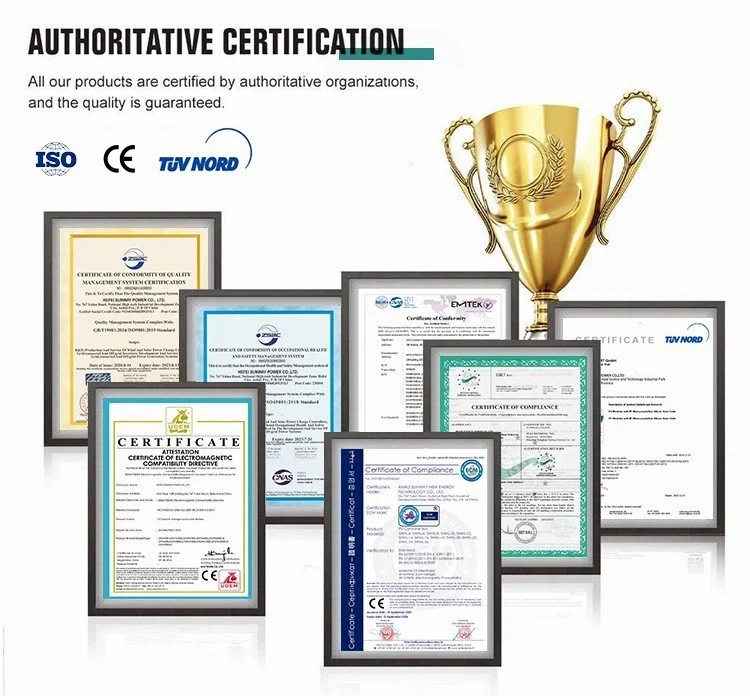
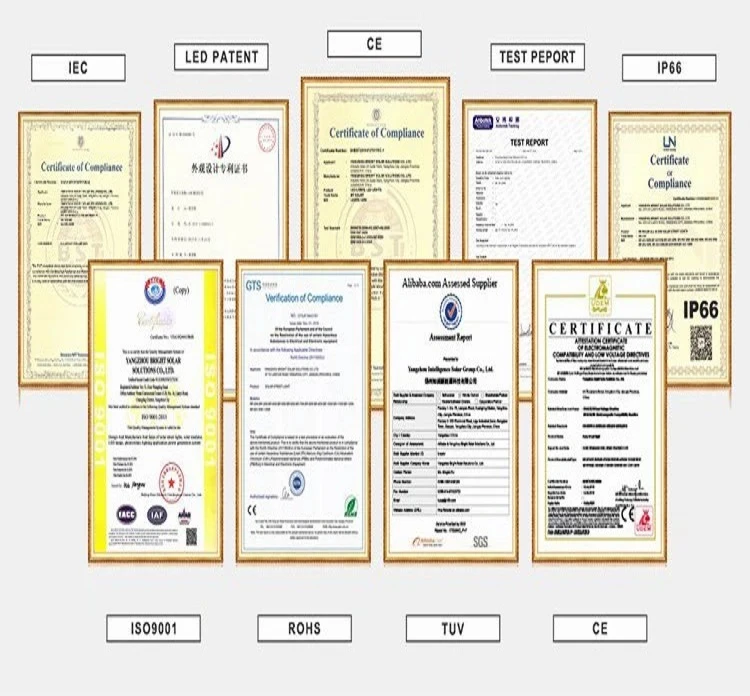
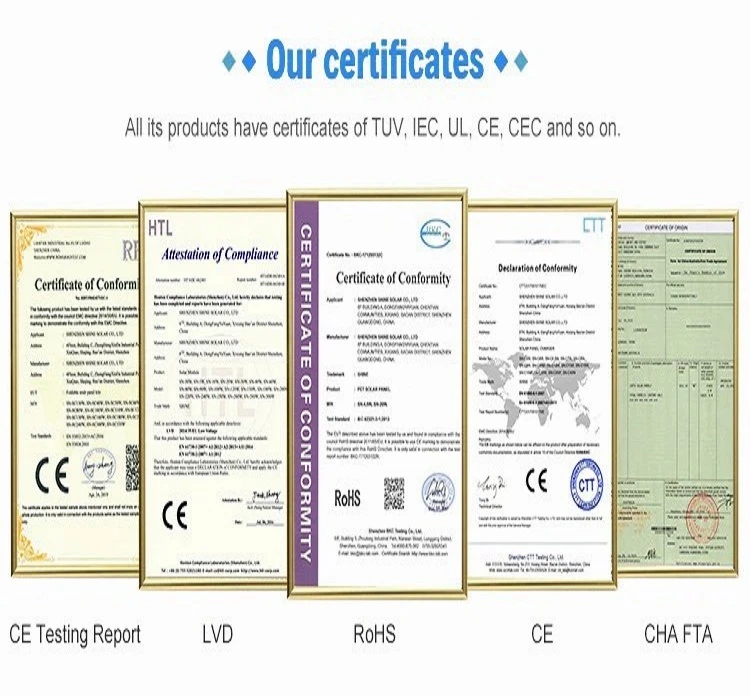
As one of the most professional battery suppliers in China, we're featured by quality products and competitive price. Please rest assured to buy discount battery from our factory.
Solar Electric System, Battery, Solar Panel Gel Battery