

Solar Air Conditioner FAQ
Edobo Solar Air Conditioner FAQ provides answers to common questions about DC solar air conditioners, including working principles, power supply options, installation requirements, technical specifications and application scenarios. Learn how 48V DC solar air conditioning systems work with solar energy to provide reliable cooling solutions for homes, villas, commercial buildings and off-grid applications.
Solar Air Conditioner Working Principle & Basic Information
Q: How Does A Solar Air Conditioner Work?
A:
Short Answer:
A solar air conditioner uses solar energy to power a DC refrigeration system and provide cooling for different applications.
Detailed Answer:
A solar air conditioner works by converting solar energy into electricity through solar panels, which can supply power to the DC air conditioning system. Unlike traditional air conditioners that mainly rely on AC electricity, DC solar air conditioners are designed to operate with DC power sources. Edobo solar air conditioners use a 48V DC compressor system, allowing the air conditioner to directly utilize DC power from solar energy systems. This design helps reduce energy conversion losses and makes the system suitable for areas where solar power is available.
Technical Data
Power Supply: 48VDC (42V to 58V)
Compressor Type: DC 48V compressor
Cooling Capacity Range: 9000 BTU to 36000 BTU
Application: Residential, commercial and off-grid cooling solutions
Q: What Is A DC Solar Air Conditioner?
A:
Short Answer:
A DC solar air conditioner is an air conditioning system designed to operate with direct current power from solar energy systems.
Detailed Answer:
A DC solar air conditioner is different from conventional AC air conditioners because it uses DC power instead of only depending on grid AC electricity. Since solar panels naturally generate DC electricity, DC air conditioners can work efficiently with solar power systems. Edobo DC solar air conditioners use 48V DC compressor technology and are designed for applications where solar energy utilization and reliable cooling are required.
Technical Data
System Voltage: 48VDC
Voltage Range: 42V-58V
Compressor: DC 48V Models
Available: 1HP to 4HP
Q: What Is The Difference Between A Solar Air Conditioner And A Traditional Air Conditioner?
A:
Short Answer:
The main difference is that a solar air conditioner is designed to use DC solar power, while traditional air conditioners usually rely on AC grid electricity.
Detailed Answer:
Traditional air conditioners normally receive electricity from the grid, while solar air conditioners are designed for renewable energy applications. A DC solar air conditioner can directly use DC power generated by solar panels, making it more suitable for solar systems. For remote areas, off-grid buildings or locations with unstable electricity supply, DC solar air conditioners provide a flexible cooling option.
Technical Data
Solar Air Conditioner: DC power supply design
Traditional Air Conditioner: Usually AC grid power
Edobo System Voltage: 48VDC
Q: Can A Solar Air Conditioner Work Without Grid Electricity?
A:
Short Answer:
Yes, a solar air conditioner can work without grid electricity when connected with a suitable solar power system.
Detailed Answer:
A DC solar air conditioner can use solar energy as its main power source instead of depending completely on grid electricity. This makes it suitable for remote locations, off-grid houses and areas where electricity infrastructure is limited. The actual system configuration depends on solar panel capacity, energy storage requirements and application conditions.
Technical Data
Power Supply: 48VDC system
Compressor: DC 48V
Suitable Applications: Off-grid and remote cooling projects
Q: Can A Solar Air Conditioner Work At Night?
A:
Short Answer:
Yes, a solar air conditioner can operate at night when connected with an appropriate energy storage system.
Detailed Answer:
Solar panels generate electricity during daylight hours, so nighttime operation requires stored energy or another power source. A solar air conditioning system can be designed with battery storage or other backup solutions according to customer requirements. The specific operating time depends on battery capacity, cooling load, environmental conditions and system configuration.
Technical Data
System Voltage: 48VDC
Power Input: 500W-1500W depending on model
Configuration: Depends on project requirements
Q: Does A Solar Air Conditioner Need Batteries?
A:
Short Answer:
A solar air conditioner does not always require batteries, but batteries can be added when energy storage or nighttime operation is needed.
Detailed Answer:
Whether a battery is required depends on the application. For daytime cooling, solar power can directly supply energy to the DC air conditioner. For nighttime operation or unstable solar conditions, battery storage can provide additional energy support. The battery configuration should be selected according to cooling requirements, operation time and local solar conditions.
Technical Data
Power System: 48VDC
Energy Storage: Optional according to application
Compressor Type: DC 48V
Q: Does A Solar Air Conditioner Need An Inverter?
A:
Short Answer:
A DC solar air conditioner does not require an inverter when using a compatible DC power supply system.
Detailed Answer:
Traditional solar systems may require an inverter to convert DC electricity into AC power for conventional air conditioners. A DC solar air conditioner is designed to work with DC electricity directly, helping simplify the system configuration. Edobo solar air conditioners use a 48V DC compressor system, making them suitable for direct DC power applications.
Technical Data
Compressor: DC 48V
Input Power: DC48V
System Type: Direct current air conditioning system
Q: What Are The Advantages Of A Solar Powered Air Conditioner?
A:
Short Answer:
A solar powered air conditioner provides a cooling solution that can utilize renewable solar energy and DC power technology.
Detailed Answer:
The main advantage of a solar air conditioner is its compatibility with solar energy systems. By using DC power technology, it can work efficiently with solar-generated electricity and is suitable for applications where reducing dependence on traditional electricity is important. Edobo solar air conditioners provide multiple capacity options from 9000 BTU to 36000 BTU to meet different cooling requirements.
Technical Data
Cooling Capacity: 9000-36000 BTU
Voltage: 48VDC
Models: 1HP-4HP
Q: Why Are Solar Air Conditioners Becoming More Popular?
A:
Short Answer:
Solar air conditioners are becoming more popular because they combine renewable energy with efficient DC cooling technology.
Detailed Answer:
With increasing demand for renewable energy solutions, more users are looking for cooling systems that can work with solar power. Solar air conditioners are especially useful in areas with strong sunlight, remote locations and projects requiring alternative energy solutions. The availability of different cooling capacities allows solar air conditioners to be used in various residential and commercial applications.
Technical Data
Capacity Range: 9000 BTU to 36000 BTU
Suitable Area: Approximately 10㎡ to 50㎡ depending on model
Power Supply: 48VDC
Q: Is A Solar Air Conditioner Suitable For Off-Grid Applications?
A:
Short Answer:
Yes, solar air conditioners are suitable for off-grid applications when matched with a proper solar power system.
Detailed Answer:
Off-grid locations often face challenges such as limited electricity access or unstable power supply. A DC solar air conditioner can use solar energy systems to provide cooling without relying completely on traditional grid power. Edobo 48V DC solar air conditioners are available in multiple models and capacities, making them suitable for different off-grid cooling requirements.
Technical Data
System Voltage: 48VDC
Cooling Capacity: 9000-36000 BTU
Working Temperature: -15℃ to 60℃
Solar Air Conditioner Power Supply & System Configuration
Q: Can A Solar Air Conditioner Run Directly From Solar Panels?
A:
Short Answer:
Yes, a DC solar air conditioner can run directly from solar power when the solar system provides suitable DC voltage and power.
Detailed Answer:
A DC solar air conditioner is designed to work with direct current power, which makes it suitable for connection with solar energy systems. Solar panels generate DC electricity, which can be used to supply power to the air conditioning system. For Edobo solar air conditioners, the system is based on 48VDC power input. The actual solar panel configuration depends on the selected model, local sunlight conditions and cooling requirements.
Technical Data
Power Supply: 48VDC
Working Voltage Range: 42V-58V
Compressor Type: DC 48V compressor
Available Models: 1HP to 4HP
Q: What Voltage Does A DC Solar Air Conditioner Use?
A:
Short Answer:
Edobo DC solar air conditioners use a 48VDC power supply system.
Detailed Answer:
The operating voltage is an important factor when selecting a solar air conditioner system. Edobo DC solar air conditioners are designed with a 48VDC system, making them suitable for solar power applications. The working voltage range is from 42V to 58V, allowing the system to operate within the specified DC voltage range.
Technical Data
Rated Voltage: 48VDC
Working Voltage: 42V-58V
Compressor: DC 48V
Q: How Many Solar Panels Are Needed For A Solar Air Conditioner?
A:
Short Answer:
The number of solar panels required depends on the air conditioner model, solar panel power, sunlight conditions and system design.
Detailed Answer:
Different solar air conditioner models have different power requirements. A suitable solar panel system should be designed according to the cooling capacity and power consumption of the selected model. For example, Edobo solar air conditioners have input power ranges from 500W to 1500W depending on the model. The solar panel configuration should provide enough power for stable operation under local solar conditions.
Technical Data
Input Power Range: 500W-1500W
System Voltage: 48VDC
Cooling Capacity Range: 9000 BTU-36000 BTU
Q: Can A Solar Air Conditioner Work With Battery Storage?
A:
Short Answer:
Yes, a solar air conditioner can be combined with battery storage according to different application requirements.
Detailed Answer:
Battery storage can provide additional energy support when solar power is unavailable, such as during nighttime or periods with insufficient sunlight. The battery system configuration depends on required operating time, cooling demand and local conditions. Users should select a suitable battery capacity according to their specific project requirements.
Technical Data
Power Supply: 48VDC
Battery Storage: Optional according to system requirements
Application: Residential, commercial and off-grid projects
Q: Can A Solar Air Conditioner Use Grid Electricity As Backup?
A:
Short Answer:
The power supply configuration depends on the system design and customer requirements.
Detailed Answer:
Solar air conditioning systems can be designed according to different application needs. Some projects may use solar power as the main energy source, while other systems may include additional power sources for continuous operation. The final configuration depends on the selected system solution, energy requirements and installation environment.
Technical Data
Main System Type: 48VDC solar air conditioner
Working Voltage: 42V-58V
Application: Different solar cooling solutions
Q: What Happens When Solar Power Is Insufficient?
A:
Short Answer:
When solar power is insufficient, the system operation depends on the configured power solution.
Detailed Answer:
Solar power availability can change depending on weather conditions, sunlight intensity and installation location. A suitable system design should consider local solar resources and cooling requirements. For applications requiring continuous cooling, additional energy storage or backup solutions can be considered based on project needs.
Technical Data
System Voltage: 48VDC
Working Voltage Range: 42V-58V
Application: Various solar cooling projects
Q: Can A Solar Air Conditioner Work During Cloudy Days?
A:
Short Answer:
A solar air conditioner can operate during cloudy days depending on available solar power and system configuration.
Detailed Answer:
Cloudy weather reduces solar energy generation, so the available power may be lower than during sunny conditions. The actual performance depends on solar panel capacity, weather conditions and whether additional energy storage is included. A properly designed solar system helps maintain stable cooling performance under different weather conditions.
Technical Data
Power Input: 500W-1500W depending on model
System Voltage: 48VDC
Cooling Capacity: 9000 BTU-36000 BTU
Q: Can A Solar Air Conditioner Run During Power Outages?
A:
Short Answer:
Yes, a solar air conditioner can support operation during power outages when configured with an appropriate solar power system.
Detailed Answer:
One advantage of solar cooling systems is that they can reduce dependence on traditional electricity sources. In areas with unstable power supply, a solar air conditioner can be designed with suitable energy solutions to maintain cooling operation. The actual backup capability depends on the complete system configuration.
Technical Data
Power Supply: 48VDC
Compressor: DC 48V
Application: Remote areas and off-grid projects
Q: What Is A 48V DC Solar Air Conditioner?
A:
Short Answer:
A 48V DC solar air conditioner is an air conditioning system designed to operate with a 48V direct current power supply.
Detailed Answer:
48V DC solar air conditioners are commonly used in solar energy applications because solar panels generate DC electricity. This type of system is designed to work with DC power directly and is suitable for projects where solar energy utilization is required. Edobo solar air conditioners use a 48VDC system with multiple cooling capacity options.
Technical Data
Rated Voltage: 48VDC
Working Voltage: 42V-58V
Models: 9000 BTU to 36000 BTU
Q: What Is The Difference Between DC Solar Air Conditioner And AC Air Conditioner?
A:
Short Answer:
The main difference is that a DC solar air conditioner uses DC power technology, while traditional AC air conditioners normally use AC electricity.
Detailed Answer:
DC solar air conditioners are designed for renewable energy applications because solar panels naturally produce DC electricity. Using DC power technology can simplify the connection between solar systems and air conditioning equipment. Traditional AC air conditioners usually require AC electricity from the grid or an inverter system when used with solar power.
Technical Data
Solar Air Conditioner Type: DC air conditioner
Power Supply: 48VDC
Compressor: DC 48V compressor
Solar Air Conditioner Installation & Application
Q: Where Can Solar Air Conditioners Be Installed?
A:
Short Answer:
Solar air conditioners can be installed in homes, villas, commercial buildings and remote areas where solar cooling solutions are required.
Detailed Answer:
Solar air conditioners are suitable for different application environments because they can work with solar power systems. They are commonly used in residential buildings, off-grid houses, remote areas and commercial projects where cooling is needed. The suitable installation environment depends on cooling requirements, available solar resources and the selected air conditioner capacity.
Technical Data
System Voltage: 48VDC
Cooling Capacity Range: 9000 BTU-36000 BTU
Available Models: 1HP-4HP
Q: Are Solar Air Conditioners Suitable For Homes?
A:
Short Answer:
Yes, solar air conditioners can be used for homes that need energy-efficient cooling solutions.
Detailed Answer:
Solar air conditioners are suitable for residential applications such as houses and villas. By using solar energy, homeowners can reduce dependence on traditional electricity sources and use renewable energy for cooling. The suitable model depends on room size, insulation conditions and cooling requirements.
Technical Data
Cooling Capacity Options: 9000 BTU-36000 BTU
Suitable Area: Approximately 10㎡-50㎡ depending on model
Power Supply: 48VDC
Q: Can Solar Air Conditioners Be Used In Villas?
A:
Short Answer:
Yes, solar air conditioners can be installed in villas when the selected cooling capacity matches the space requirements.
Detailed Answer:
Villas usually have larger rooms and higher cooling demands compared with standard residential spaces. Solar air conditioners provide different capacity options, allowing users to select suitable models according to room size and application needs. A proper system selection should consider the villa layout, room area and local climate conditions.
Technical Data
Available Capacities: 9000 BTU-36000 BTU
Models: 1HP-4HP
Power Supply: 48VDC
Q: Can Solar Air Conditioners Be Used In Remote Areas?
A:
Short Answer:
Yes, solar air conditioners are suitable for remote areas where reliable cooling solutions are needed.
Detailed Answer:
Remote locations may have limited access to grid electricity, making solar-powered cooling systems a practical option. A DC solar air conditioner can work with solar energy systems and provide cooling for areas such as remote houses, cabins and other locations. The complete system should be designed according to local solar conditions and cooling requirements.
Technical Data
System Voltage: 48VDC
Compressor: DC 48V compressor
Working Temperature: -15℃ to 60℃
Q: Are Solar Air Conditioners Suitable For Off-Grid Houses?
A:
Short Answer:
Yes, solar air conditioners are suitable for off-grid houses with properly designed solar power systems.
Detailed Answer:
Off-grid houses often require independent energy solutions because traditional electricity supply may not be available or stable. Solar air conditioners can be integrated with solar power systems to provide cooling in these environments. The system design depends on cooling requirements, operating time and available solar resources.
Technical Data
Power Supply: 48VDC
Cooling Capacity: 9000 BTU-36000 BTU
Application: Off-grid cooling projects
Q: Can Solar Air Conditioners Replace Traditional Air Conditioners?
A:
Short Answer:
Solar air conditioners can be an alternative cooling solution when the system is properly selected and installed.
Detailed Answer:
Whether a solar air conditioner can replace a traditional air conditioner depends on the application requirements, local energy conditions and cooling demand. For locations with sufficient solar resources or a need for renewable energy solutions, DC solar air conditioners provide an alternative option to conventional cooling systems.
Technical Data
Air Conditioner Type: DC solar air conditioner
Voltage: 48VDC
Cooling Capacity Range: 9000 BTU-36000 BTU
Q: How To Install A Solar Air Conditioner?
A:
Short Answer:
A solar air conditioner should be installed according to the system design, including the air conditioner unit, solar power system and required accessories.
Detailed Answer:
The installation process depends on the selected model and application environment. A suitable installation location should be selected for both indoor and outdoor units, while the solar power system should match the air conditioner requirements. Professional installation is recommended to ensure proper operation and system performance.
Technical Data
System Voltage: 48VDC
Available Models: 1HP-4HP
Installation Type: Split air conditioner system
Q: Does A Solar Air Conditioner Require Professional Installation?
A:
Short Answer:
Professional installation is recommended to ensure correct system setup and reliable operation.
Detailed Answer:
Solar air conditioners include multiple components such as indoor units, outdoor units and solar power connections. Proper installation helps ensure the system operates safely and efficiently. The installation requirements may vary depending on the project location, model selection and power system configuration.
Technical Data
Product Type: Split solar air conditioner
Power Supply: 48VDC
Application: Residential and commercial projects
Q: Can Solar Air Conditioners Be Used In Commercial Buildings?
A:
Short Answer:
Yes, solar air conditioners can be used in commercial buildings with suitable capacity selection.
Detailed Answer:
Commercial applications often require reliable cooling solutions with different capacity requirements. Solar air conditioners can provide cooling options for offices, shops and other commercial spaces when the correct model is selected. The required capacity depends on building size, usage conditions and cooling demand.
Technical Data
Capacity Range: 9000 BTU-36000 BTU
Models: 1HP-4HP
Power Supply: 48VDC
Q: How To Choose The Right Solar Air Conditioner For Different Rooms?
A:
Short Answer:
The right solar air conditioner should be selected according to room size, cooling demand and application conditions.
Detailed Answer:
Different rooms require different cooling capacities. Smaller rooms may use lower capacity models, while larger spaces require higher cooling capacity. Edobo solar air conditioners provide multiple options from 9000 BTU to 36000 BTU, allowing customers to select suitable models based on their application needs.
Technical Data
9000 BTU: Suitable for approximately 10㎡-15㎡
12000 BTU: Suitable for approximately 12㎡-25㎡
18000 BTU: Suitable for approximately 20㎡-30㎡
24000 BTU: Suitable for approximately 30㎡-48㎡
36000 BTU: Suitable for approximately 40㎡-50㎡
Edobo Solar Air Conditioner Products
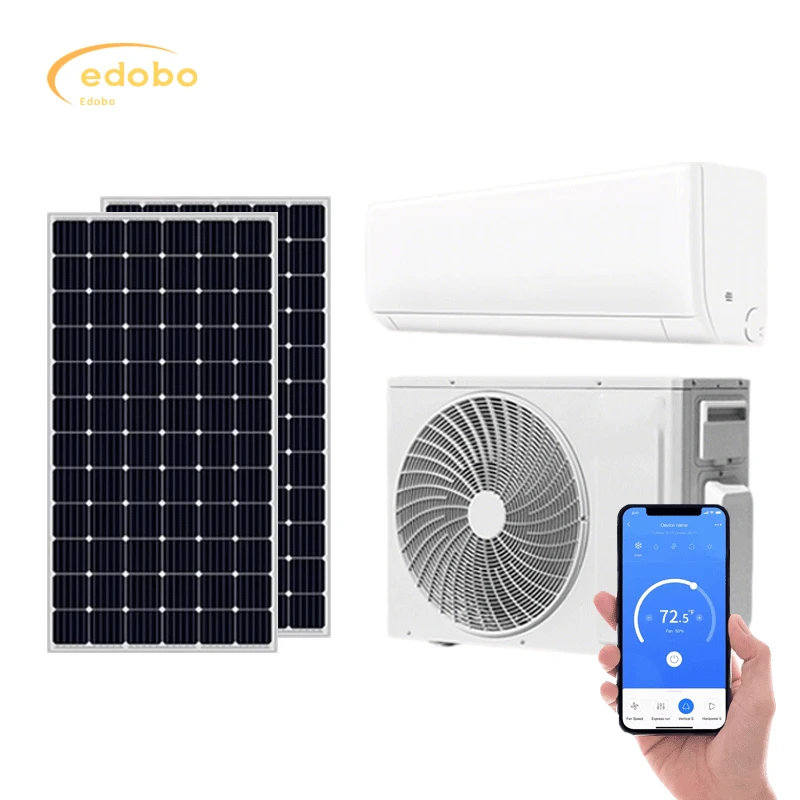
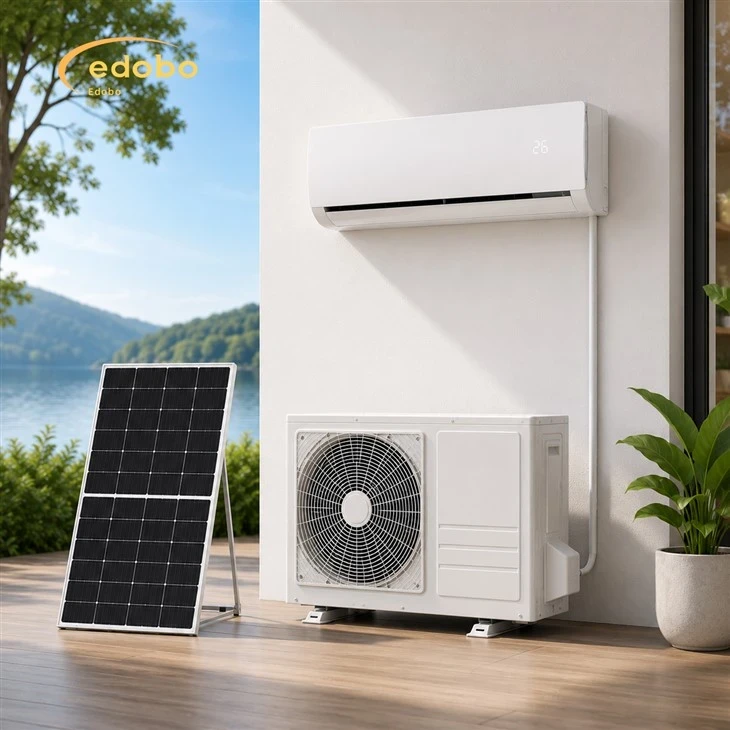
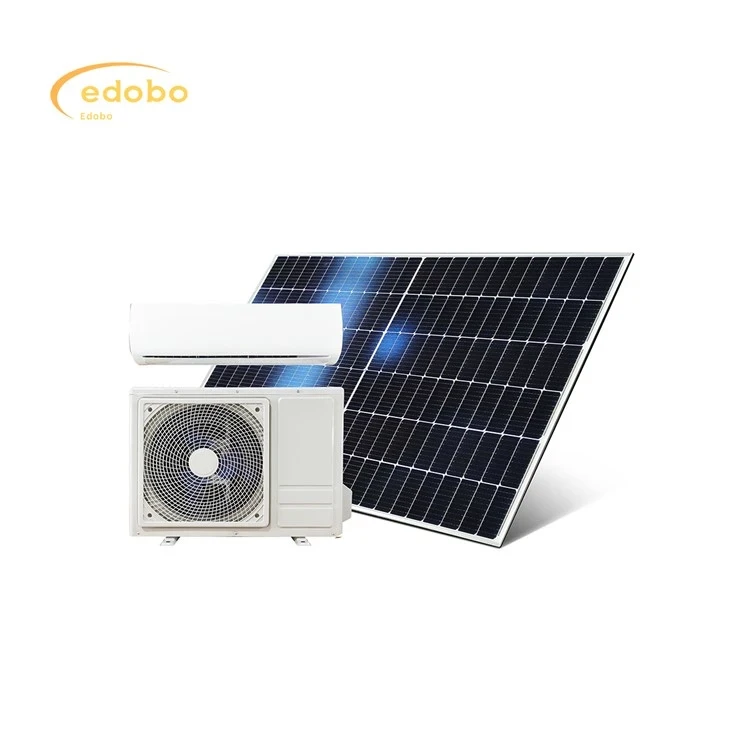
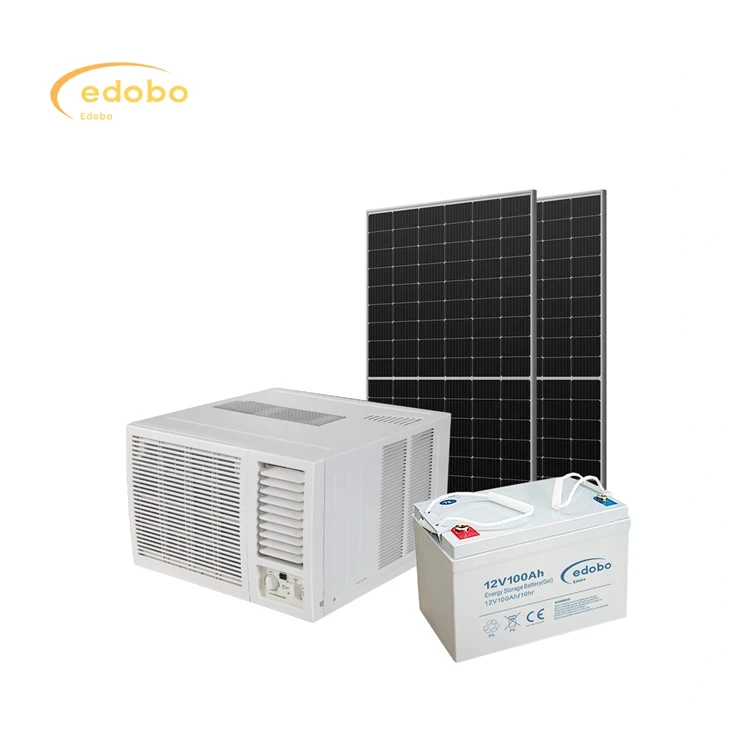
48V DC solar air conditioners for home, villa and off-grid cooling applications.
Interested in Edobo Solar Air Conditioner? Contact us for suitable models based on your cooling requirements.