

Solar Chest Freezer FAQ
Edobo Solar Chest Freezer FAQ provides comprehensive answers to common questions about DC solar freezers, covering working principles, power supply options, technical specifications and application scenarios.
Featuring a three power source switching system, Edobo solar chest freezers can operate with solar power, battery power and grid electricity, providing reliable refrigeration solutions for off-grid areas and locations with unstable power supply.
Solar Chest Freezer Working Principle & Power Supply
Q: How Does A Three Power Source Solar Chest Freezer Work?
A:
Short Answer:
A three power source solar chest freezer uses solar power as the primary energy source, with battery power and grid electricity as backup options to ensure continuous cooling operation.
Detailed Answer:
A three power source solar chest freezer is a DC solar refrigeration appliance that can operate with three power sources: solar energy, battery power and grid electricity. During daytime, solar panels provide direct DC power to run the freezer while charging the battery. When solar energy is insufficient due to nighttime, cloudy weather or limited sunlight, the system can switch to battery power or grid electricity to maintain stable freezing performance. This flexible power supply design makes the solar chest freezer suitable for off-grid applications, remote areas, farms, shops and locations with unstable electricity supply.
Technical Data
Product Type: DC Solar Chest Freezer
Power Supply: Solar + Battery + Grid
Solar Input Voltage: DC10V-50V Freezing Temperature: ≤ -18℃
Q: Can A Solar Chest Freezer Work Without Grid Electricity?
A:
Short Answer:
Yes. A solar chest freezer can work without grid electricity by using solar power and battery storage, making it suitable for off-grid applications.
Detailed Answer:
A DC solar chest freezer is designed to operate in areas where grid electricity is unavailable or unstable. With a three power source switching system, the freezer can use solar power as the main energy source during the day and store excess energy in the battery for operation when sunlight is unavailable. When solar energy is insufficient, the battery can provide continuous power to keep the freezer running. If grid electricity is available, it can also be used as an additional backup power source to improve reliability. This makes solar chest freezers suitable for remote areas, farms, villages, outdoor businesses and locations where traditional electricity supply is limited.
Technical Data
Product Type: DC Solar Chest Freezer
Power Supply: Solar Power + Battery Power + Grid Electricity
Off-Grid Operation: Supported with solar and battery power
Solar Input Voltage: DC10V-50V Freezing Temperature: ≤ -18℃
Q: Can A Solar Chest Freezer Run Directly From Solar Panels?
A:
Short Answer:
Yes. A DC solar chest freezer can be powered directly by solar panels without requiring an additional AC inverter.
Detailed Answer: Unlike traditional AC freezers that require grid electricity and an inverter to convert power, a DC solar chest freezer is designed to use direct current (DC) power generated by solar panels. During sufficient sunlight conditions, solar panels can directly supply DC power to operate the freezer. At the same time, the system can work together with battery storage to maintain stable operation when solar energy is not available. The direct DC power design improves energy efficiency by reducing conversion losses and makes the freezer more suitable for solar-powered and off-grid refrigeration applications.
Technical Data
Product Type: DC Solar Chest Freezer
Power Supply: Direct Solar DC Input + Battery + Grid Backup
Solar Input Voltage: DC10V-50V
Compressor Type: DC Compressor
Freezing Temperature: ≤ -18℃
Q: Does A Solar Freezer Need An Inverter?
A:
Short Answer:
No. A DC solar chest freezer does not require an external inverter because it is designed to operate with direct DC power.
Detailed Answer:
A traditional AC freezer usually needs an inverter when connected to a solar system because solar panels generate DC electricity while the freezer requires AC power. A DC solar chest freezer eliminates this extra conversion step by using DC power directly. The built-in DC power design allows the freezer to connect with solar panels, batteries and grid electricity through a three power source switching system. This reduces energy loss, simplifies the solar system structure and improves reliability for off-grid applications.
Technical Data
Product Type: DC Solar Chest Freezer
External Inverter Requirement: Not Required
Power Supply: Solar + Battery + Grid
Solar Input Voltage: DC10V-50V
Freezing Temperature: ≤ -18℃
Q: What Happens When Solar Power Is Insufficient?
A:
Short Answer:
When solar power is insufficient, the solar chest freezer can switch to battery power or grid electricity to maintain continuous cooling.
Detailed Answer:
Solar energy production depends on sunlight availability. During nighttime, cloudy weather or rainy days, solar panels may not generate enough power to operate the freezer continuously. With a three power source switching system, the freezer can automatically use stored battery energy when solar power is unavailable. If both solar power and battery power are insufficient, grid electricity can provide additional backup power. This multi-power design ensures stable refrigeration performance and reduces the risk of food loss caused by power interruptions.
Technical Data
Power Sources: Solar Power + Battery Power + Grid Electricity
Solar Input Voltage: DC10V-50V
Backup Power: Battery / Grid Electricity
Freezing Temperature: ≤ -18℃
Q: Can A Solar Chest Freezer Work At Night?
A:
Short Answer:
Yes. A solar chest freezer can work at night by using stored battery power when solar energy is unavailable.
Detailed Answer:
Solar panels can only generate electricity during daylight hours, so a solar chest freezer needs an energy storage solution for nighttime operation. With the three power source switching system, solar energy generated during the day can directly power the freezer while also charging the connected battery. When sunlight disappears at night, the system can automatically switch to battery power to continue running the freezer. If grid electricity is available, it can also provide backup power when both solar energy and battery power are insufficient. This design allows the solar chest freezer to maintain stable freezing performance 24 hours a day.
Technical Data
Power Supply: Solar Power + Battery Power + Grid Electricity
Night Operation: Supported by Battery Backup
Solar Input Voltage: DC10V-50V
Freezing Temperature: ≤ -18℃
Q: Can A Solar Chest Freezer Work During A Power Outage?
A:
Short Answer:
Yes. A solar chest freezer can continue operating during a power outage by using solar power or battery backup.
Detailed Answer: Power outages can affect traditional electric freezers because they depend completely on grid electricity. A DC solar chest freezer provides a more reliable solution by combining multiple power sources. During a power outage, the freezer can continue working through solar power when sunlight is available. If solar energy is unavailable, the connected battery can supply power to maintain cooling operation. This three power source design helps reduce the impact of unstable electricity and provides reliable refrigeration for homes, shops, farms and remote areas.
Technical Data
Power Supply: Solar + Battery + Grid
Backup Operation: Battery Power Supported
Solar Input Voltage: DC10V-50V
Freezing Temperature: ≤ -18℃
Q: What Is The Advantage Of A Three Power Source Solar Chest Freezer?
A:
Short Answer:
The main advantage of a three power source solar chest freezer is its flexible energy supply using solar power, battery power and grid electricity.
Detailed Answer:
A traditional freezer usually depends on a single electricity source, which may cause operation problems in areas with unstable power supply. A three power source solar chest freezer provides a more flexible solution by combining three available energy options. Solar power can be used as the primary energy source to reduce electricity dependence. Battery storage provides backup power during nighttime or low sunlight conditions, while grid electricity works as an additional backup when needed. This multi-power design improves reliability, supports off-grid applications and provides continuous refrigeration in different environments.
Technical Data
Power Supply: Solar Power + Battery Power + Grid Electricity
Application: Off-Grid / Remote / Unstable Power Areas
Solar Input Voltage: DC10V-50V
Freezing Temperature: ≤ -18℃
Q: Why Choose A DC Solar Freezer Instead Of An AC Freezer?
A:
Short Answer:
A DC solar freezer is more suitable for solar applications because it can use direct solar DC power with higher energy efficiency.
Detailed Answer:
Traditional AC freezers require alternating current and usually need an inverter when connected to solar systems. During the conversion process, some energy may be lost, and the system structure becomes more complex. A DC solar chest freezer is designed to operate directly with DC power generated by solar panels. This reduces energy conversion losses and allows easier integration with solar panels and batteries. For remote areas, off-grid projects and locations with unstable electricity, DC solar freezers provide a simpler and more reliable refrigeration solution.
Technical Data
Product Type: DC Solar Chest Freezer
Power Supply: Direct Solar DC Input + Battery + Grid
External Inverter: Not Required
Solar Input Voltage: DC10V-50V
Freezing Temperature: ≤ -18℃
Q: Is A Solar Freezer Suitable For Off-Grid Applications?
A:
Short Answer:
Yes. Solar freezers are designed for off-grid applications where electricity supply is limited or unavailable.
Detailed Answer:
Solar chest freezers are widely used in areas where reliable electricity is difficult to access, such as remote villages, farms, outdoor businesses and rural locations. The combination of solar power, battery storage and grid backup allows the freezer to operate in different power conditions. During sunny days, solar energy can directly run the freezer. Battery power supports operation when sunlight is insufficient, while grid electricity provides additional backup when available. This makes solar freezers a practical refrigeration solution for off-grid and remote environments.
Technical Data
Product Type: DC Solar Chest Freezer
Power Supply: Solar + Battery + Grid
Application: Off-Grid Refrigeration
Solar Input Voltage: DC10V-50V
Freezing Temperature: ≤ -18℃
Solar Chest Freezer Technical Specifications
Q: What Voltage Does A DC Solar Freezer Use?
A:
Short Answer:
A DC solar chest freezer usually works with direct DC power input, and our models support a DC10V-50V solar input range.
Detailed Answer:
A DC solar chest freezer is designed to work with direct current (DC) power generated from solar panels or supplied by batteries. Unlike traditional AC freezers that require AC electricity, DC solar freezers can directly use solar-generated DC power, making them more suitable for solar energy systems. The operating voltage range allows the freezer to connect with different solar panel configurations and battery systems. This flexible DC input design helps simplify the solar refrigeration system and improves compatibility with off-grid applications.
Technical Data
Product Type: DC Solar Chest Freezer
Solar Input Voltage: DC10V-50V
Power Supply: Solar + Battery + Grid
Application: Off-Grid Solar Refrigeration
Q: What Temperature Can A Solar Chest Freezer Reach?
A:
Short Answer:
A solar chest freezer can reach freezing temperatures of ≤ -18℃, suitable for frozen food storage.
Detailed Answer:
Temperature performance is one of the most important factors when choosing a freezer. A DC solar chest freezer is designed to provide stable low-temperature refrigeration for storing frozen products. With an efficient DC refrigeration system, the freezer can maintain temperatures of ≤ -18℃ under suitable operating conditions. This makes it suitable for storing meat, seafood, ice cream, frozen food and other products that require deep freezing. The actual performance may vary depending on ambient temperature, loading conditions, solar power availability and system configuration.
Technical Data
Freezing Temperature: ≤ -18℃
Product Type: Solar Chest Freezer
Cooling Application: Frozen Food Storage
Power Supply: Solar + Battery + Grid
Q: What Capacity Options Are Available For Solar Chest Freezers?
A:
Short Answer:
Solar chest freezers are available in different capacities to meet various household, commercial and off-grid refrigeration needs.
Detailed Answer:
Different applications require different storage capacities. Small-capacity solar chest freezers are suitable for homes, small shops and personal use, while larger models are designed for commercial applications, farms and remote projects requiring more storage space. Our solar chest freezer range covers multiple capacities, allowing customers to select suitable models according to storage requirements, available installation space and application environment. Choosing the right capacity helps balance storage needs, energy consumption and solar system configuration.
Technical Data
Capacity Range: 68L-718L
Application: Home / Shop / Farm / Commercial Use
Power Supply: Solar + Battery + Grid
Q: How Much Solar Power Does A Solar Freezer Need?
A:
Short Answer:
The required solar power depends on freezer capacity, daily usage, climate conditions and system configuration.
Detailed Answer:
The solar power requirement of a freezer depends on several factors, including freezer size, ambient temperature, operating time and sunlight conditions. A larger freezer generally requires more energy than a smaller model. Areas with strong sunlight may need a smaller solar panel system, while regions with less sunlight may require additional solar capacity or battery storage. For a suitable solar configuration, customers should consider the freezer model, daily energy consumption and local solar conditions.
Technical Data
Power Consumption Range: Approximately 37W-215W
Solar Input Voltage: DC10V-50V
Power Supply: Solar + Battery + Grid
Q: How Long Can A Solar Freezer Run With Battery Backup?
A:
Short Answer:
The battery backup time of a solar freezer depends on battery capacity, freezer power consumption and operating conditions.
Detailed Answer:
Battery backup allows a solar chest freezer to continue operating when solar energy is unavailable, such as during nighttime or cloudy weather. The actual running time depends on the battery capacity, freezer model and environmental conditions. A larger battery can provide longer backup operation, while lower power consumption helps extend operating time. For different applications, customers can select suitable battery configurations according to required backup duration and local conditions.
Technical Data
Backup Power Source: Battery
Power Consumption Range: Approximately 37W-215W
Power Supply: Solar + Battery + Grid
Freezing Temperature: ≤ -18℃
Q: Can Solar Freezers Work In Hot Climates?
A:
Short Answer:
Yes. Solar freezers can work in hot climates when the solar system and freezer configuration are properly selected.
Detailed Answer: Solar freezers are often used in regions with high temperatures and strong sunlight, including Africa, the Middle East and tropical areas. The three power source design provides additional reliability in hot climates. During sunny periods, solar power can directly operate the freezer, while battery and grid power provide backup when solar conditions change. To achieve the best performance, customers should consider local ambient temperature, installation environment and suitable solar system configuration.
Technical Data
Application: Hot Climate Areas
Power Supply: Solar + Battery + Grid
Freezing Temperature: ≤ -18℃
Solar Input Voltage: DC10V-50V
Q: What Type Of Compressor Is Used In A Solar Freezer?
A:
Short Answer:
A solar chest freezer uses a DC compressor designed for efficient operation with solar power and battery systems.
Detailed Answer:
A DC solar chest freezer uses a DC compressor that is designed to work efficiently with direct current power sources such as solar panels and batteries. Compared with traditional AC compressors, DC compressors are more suitable for solar refrigeration systems because they can directly use DC electricity without requiring additional power conversion equipment. This helps reduce energy loss and improves system efficiency. The DC compressor design also makes solar chest freezers more suitable for remote areas, off-grid applications and locations where stable electricity supply is unavailable.
Technical Data
Compressor Type: DC Compressor
Power Supply: Solar + Battery + Grid
Solar Input Voltage: DC10V-50V
Application: Off-Grid Solar Refrigeration
Q: How Much Power Does A Solar Chest Freezer Consume?
A:
Short Answer:
The power consumption of a solar chest freezer depends on the model size, capacity and operating conditions, with typical power ranges from 37W to 215W.
Detailed Answer:
Energy consumption is an important factor when selecting a solar freezer because it affects solar panel size and battery configuration. Compared with traditional freezers, DC solar chest freezers are designed for efficient operation with lower power requirements. The actual power consumption depends on freezer capacity, ambient temperature, loading frequency and cooling conditions. A suitable solar system can be configured according to the freezer model and local sunlight conditions to achieve reliable and efficient refrigeration.
Technical Data
Power Consumption Range: Approximately 37W-215W
Product Type: DC Solar Chest Freezer
Power Supply: Solar + Battery + Grid
Solar Input Voltage: DC10V-50V
Q: What Size Solar Freezer Should I Choose?
A:
Short Answer:
The right solar freezer size depends on storage requirements, application scenario, available space and daily cooling needs.
Detailed Answer:
Choosing the correct solar freezer capacity is important for achieving the best balance between storage space and energy efficiency. Small capacity models are suitable for households, small shops and personal use, while larger capacity models are better for commercial applications, farms, fishing businesses and areas requiring large frozen storage. Customers should consider the type and quantity of products to be stored, frequency of use, available installation space and local power conditions when selecting a suitable model.
Technical Data
Capacity Range: 68L-718L
Power Consumption Range: 37W-215W
Application: Home / Commercial / Off-Grid Use
Power Supply: Solar + Battery + Grid
Q: Can Solar Freezers Store Frozen Food?
A:
Short Answer:
Yes. Solar chest freezers can store frozen food by maintaining freezing temperatures of ≤ -18℃.
Detailed Answer:
Solar chest freezers are designed for storing products that require frozen conditions, including meat, seafood, ice cream and other frozen goods. The DC refrigeration system provides stable cooling performance while the three power source switching system helps maintain operation under different energy conditions. Solar power can provide daily operation, while battery and grid electricity can support continuous cooling when solar energy is limited. This makes solar freezers suitable for households, shops, farms and commercial applications that need reliable frozen storage.
Technical Data
Freezing Temperature: ≤ -18℃
Capacity Range: 68L-718L
Power Supply: Solar + Battery + Grid
Application: Frozen Food Storage
Solar Chest Freezer Applications & Purchasing
Q: Is A Solar Freezer Suitable For Africa?
A:
Short Answer:
Yes. Solar freezers are highly suitable for Africa because they can provide reliable refrigeration in areas with unstable electricity or limited grid coverage.
Detailed Answer:
Many regions in Africa face challenges such as unstable electricity supply, remote locations and limited access to traditional power infrastructure. A DC solar chest freezer provides an effective refrigeration solution by using solar energy as the primary power source. With a three power source switching system, the freezer can operate through solar power during the day, battery power during periods without sunlight and grid electricity when available. This flexibility makes solar freezers suitable for rural communities, small businesses, farms, markets and remote projects. Solar refrigeration helps reduce dependence on traditional electricity and provides reliable frozen storage for food, beverages and agricultural products.
Technical Data
Application: Africa / Remote Areas / Off-Grid Locations
Power Supply: Solar + Battery + Grid
Solar Input Voltage: DC10V-50V
Freezing Temperature: ≤ -18℃
Q: Can Solar Freezers Be Used In Remote Villages?
A:
Short Answer:
Yes. Solar freezers are designed for remote villages where electricity supply is unavailable or unreliable.
Detailed Answer:
Remote villages often have limited access to stable electricity, making traditional refrigeration difficult to operate. Solar chest freezers provide an independent cooling solution by utilizing available solar energy. During daylight hours, solar panels can provide power directly to the freezer while charging the battery. The stored energy can support operation during nighttime or cloudy conditions. If grid electricity becomes available, it can also serve as an additional backup power source. This makes solar freezers suitable for community refrigeration, food storage, small shops and rural development projects.
Technical Data
Application: Remote Villages / Rural Areas
Power Supply: Solar + Battery + Grid Solar
Input Voltage: DC10V-50V
Cooling Temperature: ≤ -18℃
Q: Can Solar Freezers Be Used On Farms?
A:
Short Answer:
Yes. Solar freezers are suitable for farms that need reliable frozen storage in areas with limited electricity.
Detailed Answer:
Farms often require refrigeration for storing meat, dairy products, agricultural products and other temperature-sensitive goods. However, many agricultural areas are located far from reliable power networks. A DC solar chest freezer provides a practical solution by using solar energy to reduce dependence on grid electricity. The battery backup function helps maintain operation when sunlight is insufficient, while grid electricity can provide additional support when available. Solar freezers can help farmers improve storage conditions, reduce product loss and support agricultural operations in remote areas.
Technical Data
Application: Farms / Agriculture / Rural Businesses
Power Supply: Solar + Battery + Grid
Capacity Range: 68L-718L
Freezing Temperature: ≤ -18℃
Q: Can Solar Freezers Be Used For Fishing Applications?
A:
Short Answer:
Yes. Solar chest freezers can be used for fishing applications where reliable frozen storage is needed.
Detailed Answer:
Fishing areas are often located near coastal regions, islands or remote locations where electricity supply may be limited. Maintaining low temperatures is important for preserving seafood quality after catching. Solar chest freezers provide a reliable refrigeration solution by using solar energy during the day and battery power when sunlight is unavailable. The three power source switching system provides additional flexibility for different operating environments. They are suitable for fishing communities, seafood storage points, small fishing businesses and remote coastal areas requiring independent cooling solutions.
Technical Data
Application: Fishing / Seafood Storage / Coastal Areas
Power Supply: Solar + Battery + Grid
Freezing Temperature: ≤ -18℃
Capacity Range: 68L-718L
Q: What Is The Difference Between A Solar Freezer And A Traditional Freezer?
A:
Short Answer:
The main difference is that a solar freezer is designed to operate with solar power and DC energy systems, while traditional freezers usually rely on grid electricity.
Detailed Answer:
Traditional freezers normally require stable AC electricity from the grid. When electricity is unavailable, they may stop working and cause stored products to thaw. A solar chest freezer is designed for flexible power conditions. It can use solar energy, battery power and grid electricity through a three power source switching system. The DC design allows direct connection with solar systems without requiring additional power conversion. This makes solar freezers more suitable for off-grid locations, remote areas and regions with unstable electricity supply.
Technical Data
Solar Freezer Power Supply: Solar + Battery + Grid
Traditional Freezer Power Supply: Mainly Grid Electricity
Solar Input Voltage: DC10V-50V
Freezing Temperature: ≤ -18℃
Q: Can Solar Freezers Be Customized?
A:
Short Answer:
Yes. Solar freezers can be customized according to capacity requirements, power conditions and application needs.
Detailed Answer:
Different markets and applications may require different freezer capacities, power configurations and product designs. Solar chest freezers can be selected according to customer requirements, including storage volume, solar system configuration and usage environment. For different projects, customers can provide information such as application location, required capacity, available solar conditions and power supply situation. Based on these details, a suitable solar freezer solution can be recommended. This makes solar freezers adaptable for residential, commercial and off-grid applications.
Technical Data
Capacity Range: 68L-718L
Power Supply: Solar + Battery + Grid
Solar Input Voltage: DC10V-50V
Application: Residential / Commercial / Off-Grid
Q: What Certifications Should A Solar Freezer Have?
A:
Short Answer:
A solar freezer should have relevant safety and quality certifications to ensure reliable performance and compliance with international market requirements.
Detailed Answer:
Certifications are important when selecting a solar freezer supplier because they demonstrate that the product has been tested according to applicable safety and performance standards. For international markets, solar freezers may require certifications related to electrical safety, electromagnetic compatibility and product quality. These certifications help customers evaluate product reliability and ensure the freezer meets the requirements of different regions. When choosing a solar freezer, buyers should consider not only product specifications but also manufacturing capability, quality control processes and available certifications.
Technical Data
Available Certifications: CE, CB, EMC, LVD
Product Type: DC Solar Chest Freezer
Quality Focus: Electrical Safety & Product Reliability
Power Supply: Solar + Battery + Grid
Q: Why Are DC Solar Freezers Becoming More Popular?
A:
Short Answer:
DC solar freezers are becoming more popular because they provide efficient, reliable refrigeration solutions for areas with limited electricity access.
Detailed Answer:
The demand for DC solar freezers is increasing as more regions look for sustainable and independent refrigeration solutions. Traditional refrigeration systems often depend on stable grid electricity, which may not be available in remote areas. DC solar freezers can directly use solar-generated DC power and work together with battery storage, reducing dependence on traditional electricity sources. The three power source switching system further improves reliability by allowing operation through solar power, battery power and grid electricity. These advantages make DC solar freezers suitable for off-grid projects, rural businesses, farms and areas with rising energy costs or unstable power supply.
Technical Data
Product Type: DC Solar Chest Freezer
Power Supply: Solar + Battery + Grid
Solar Input Voltage: DC10V-50V
Application: Off-Grid & Unstable Power Areas
Q: What Applications Are Suitable For Solar Chest Freezers?
A:
Short Answer:
Solar chest freezers are suitable for various applications including homes, shops, farms, fishing areas and remote locations.
Detailed Answer:
Solar chest freezers provide flexible refrigeration solutions for many environments where reliable cooling is required. They can be used in households that need energy-saving refrigeration, small stores that need frozen product storage, farms requiring agricultural preservation and fishing areas needing seafood storage. They are also suitable for remote communities and outdoor projects where traditional electricity is limited. With solar power, battery backup and grid electricity options, solar chest freezers can adapt to different application conditions and provide stable freezing performance.
Technical Data
Application Areas:
Homes, Small Shops, Farms, Fishing Areas, Remote Locations, Commercial Projects
Power Supply: Solar + Battery + Grid
Freezing Temperature: ≤ -18℃
Capacity Range: 68L-718L
Q: Why Choose A Three Power Source Solar Chest Freezer?
A:
Short Answer:
A three power source solar chest freezer provides reliable refrigeration by combining solar power, battery backup and grid electricity in one flexible system.
Detailed Answer:
Choosing a three power source solar chest freezer means having a refrigeration solution that can adapt to different energy conditions. Solar power can be used as the primary energy source to operate the freezer during the day, while battery power supports operation when sunlight is unavailable. Grid electricity provides an additional backup option when needed. Compared with single-power refrigeration solutions, this design offers greater flexibility and reliability for different markets and applications. It is especially suitable for off-grid areas, remote locations, farms, small businesses and regions with unstable electricity supply.
Technical Data
Power Supply: Solar Power + Battery Power + Grid Electricity
Product Type: DC Solar Chest Freezer
Solar Input Voltage: DC10V-50V
Freezing Temperature: ≤ -18℃
Capacity Range: 68L-718L
Edobo Solar Chest Freezer Products
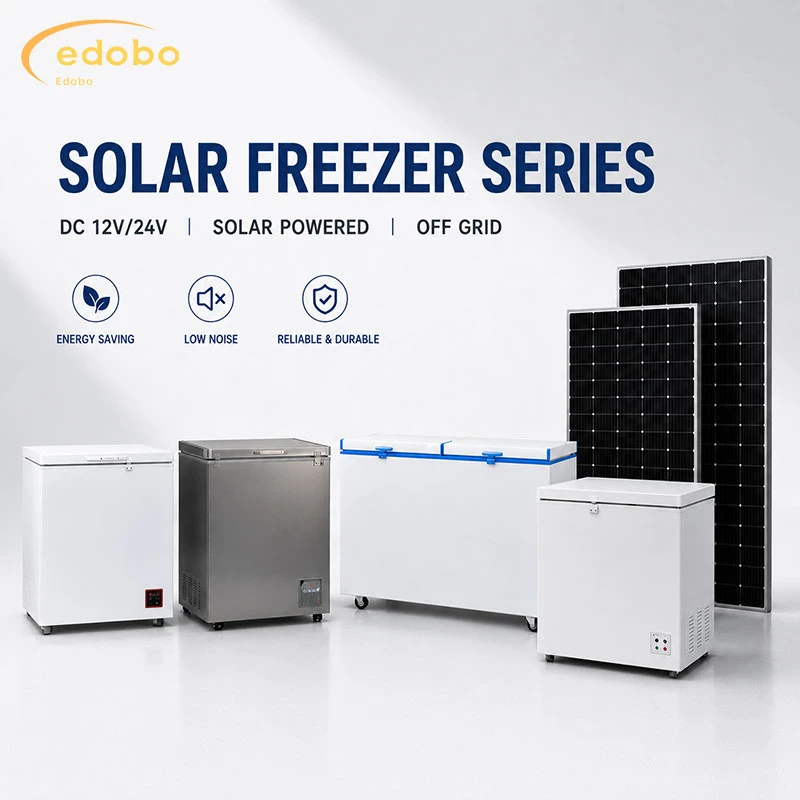
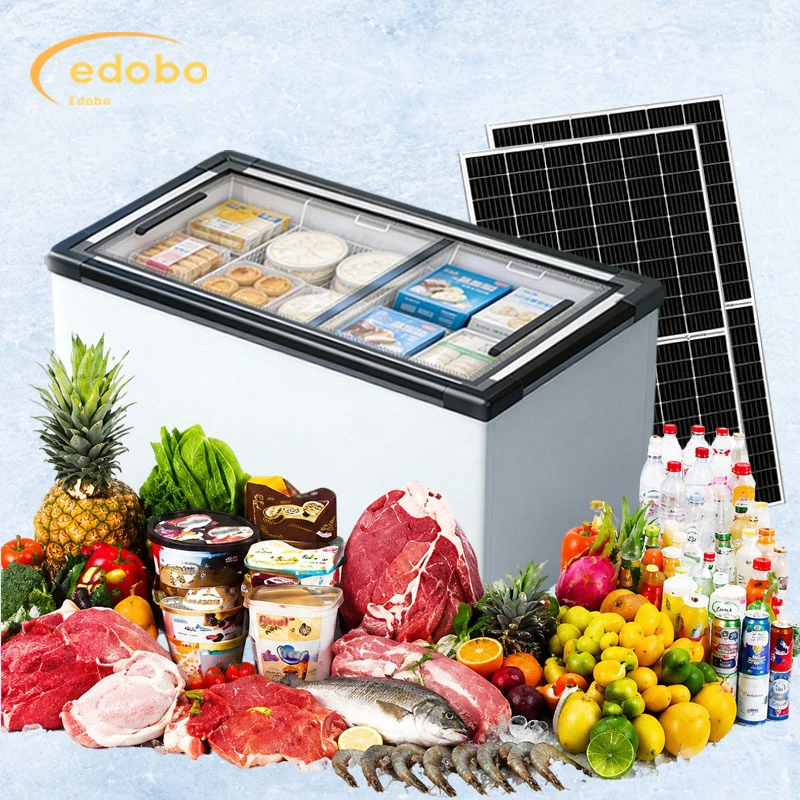
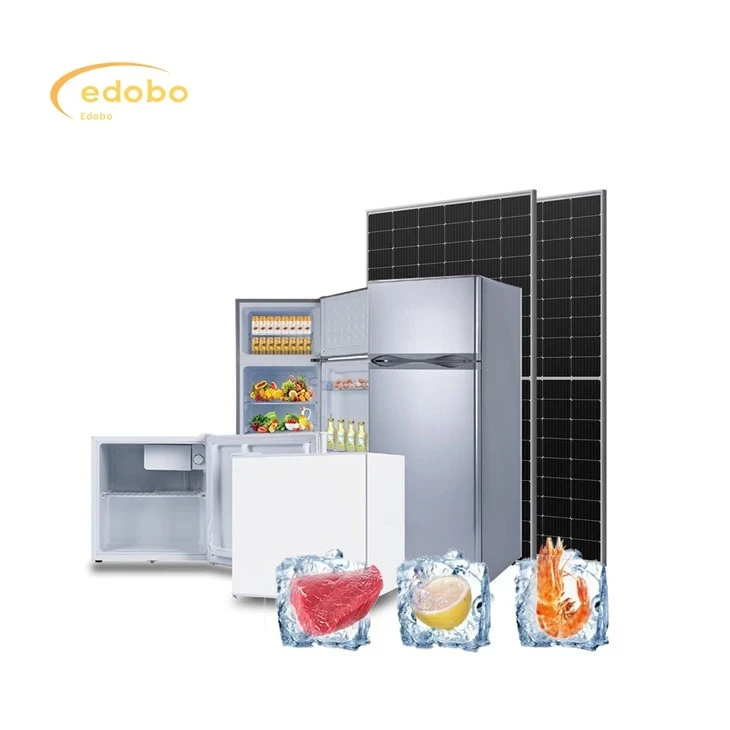
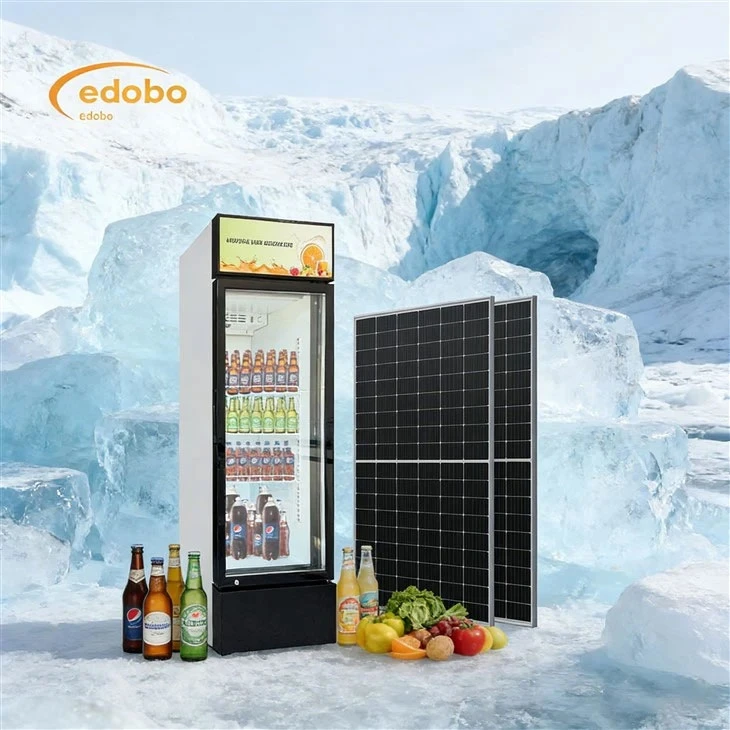
DC solar chest freezers with solar, battery and grid power options
Interested in Edobo Solar Chest Freezer? Contact us for suitable models based on your application requirements.